Packaging design, from a simple box to a system that sells
A practical guide to designing packaging that works on a shelf, survives as a thumbnail, and prints correctly the first time.
A box has to do several jobs that pull against each other. It has to protect a product, communicate what is inside in about a second, hold up under a printing press, comply with whatever regulations apply, and look like part of a family alongside every other product you sell. This guide walks through that in the order the work actually happens.
Start with structure, not graphics
The most common beginner mistake is designing artwork before the structure is settled. Packaging is a three dimensional object that is manufactured flat, and the flat shape it is cut from is called a dieline.
The dieline defines every fold, glue tab, cut and panel. Artwork is designed onto it, so if the dieline changes afterwards, the artwork is redone. Get the structure and the dimensions confirmed with your printer before any design begins, and ask them for the dieline rather than drawing your own.
- Confirm the internal dimensions the product needs, including any tolerance.
- Choose the construction: a tuck-end carton, a rigid box, a pouch, a label on a jar.
- Get the dieline from the printer as a vector file, with bleed and safe areas marked.
- Ask what the print process will be, because it constrains what the artwork can do.
Design the hierarchy before the look
Decide the order in which things should be read, then size everything accordingly. In most categories the order is: what it is, whose it is, which variant it is, and then everything else.
This is a commercial decision rather than an aesthetic one. A shopper scanning a shelf from a metre away is asking one question, and if your pack answers a different one first, it loses to the pack that does not.
Win the shelf
Retail is a distance game. Your pack is competing at arm's length under store lighting, next to dozens of alternatives, and it has to register before anyone is close enough to read.
- Own a block of colour. A confident single field reads from further away than any detail.
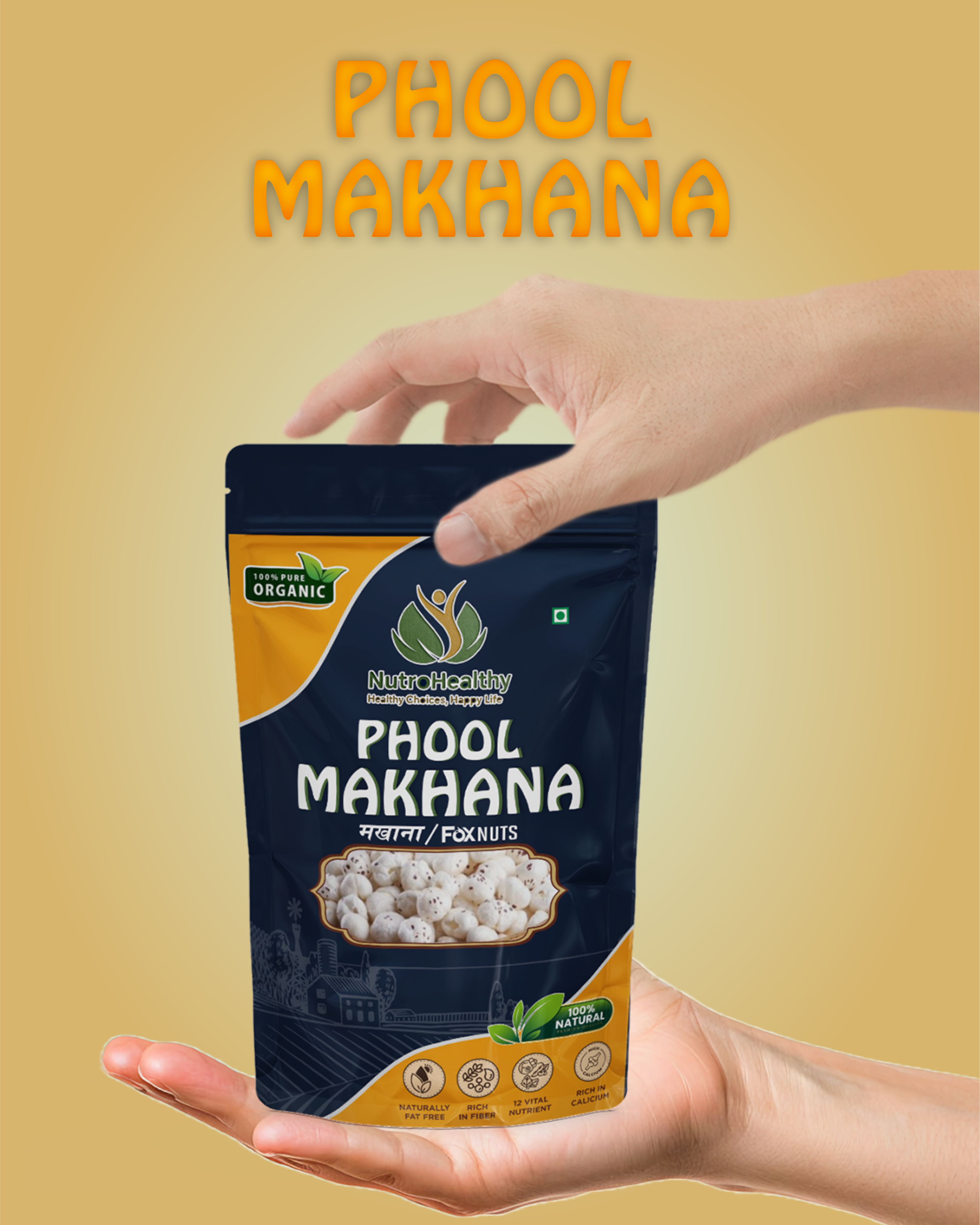
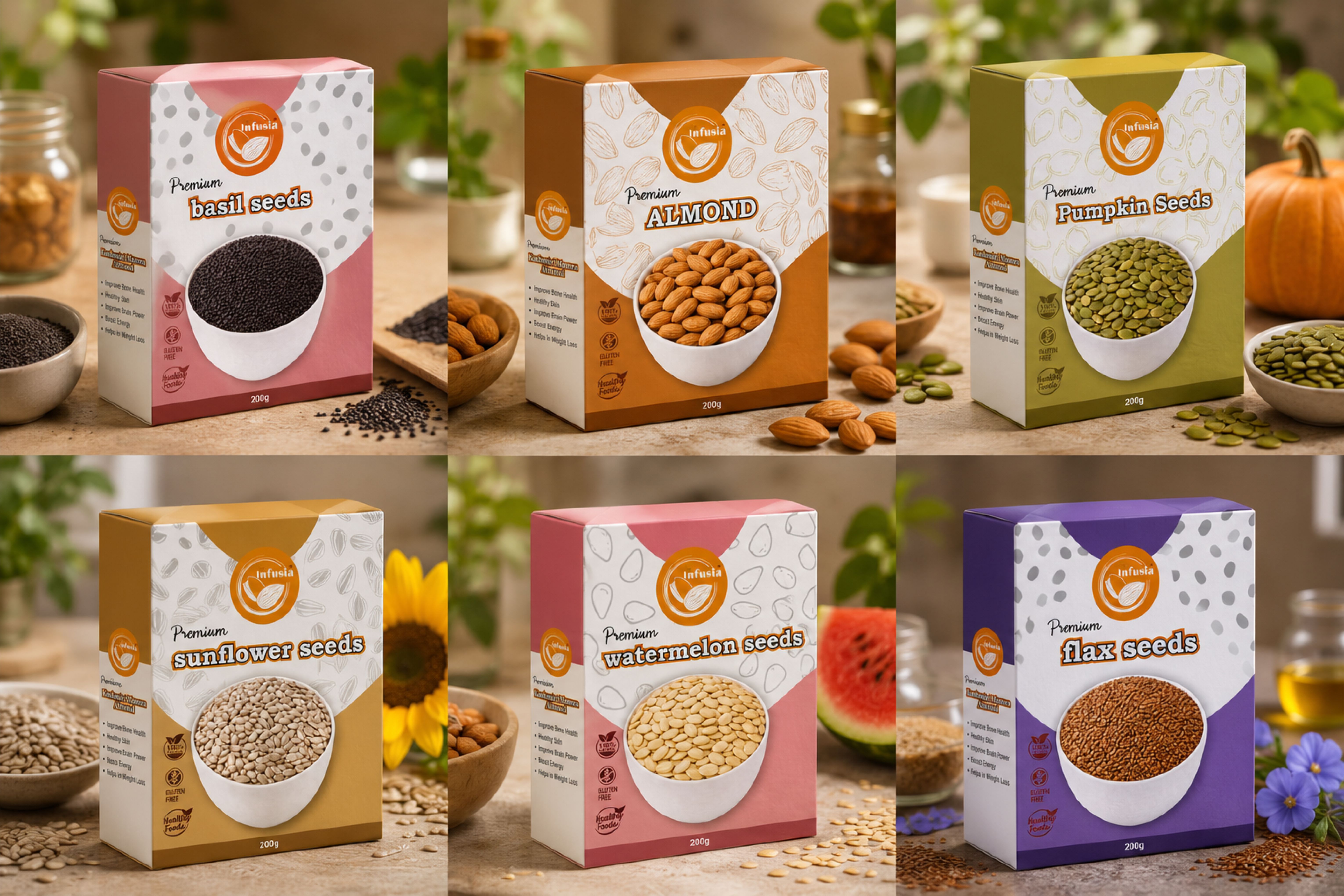
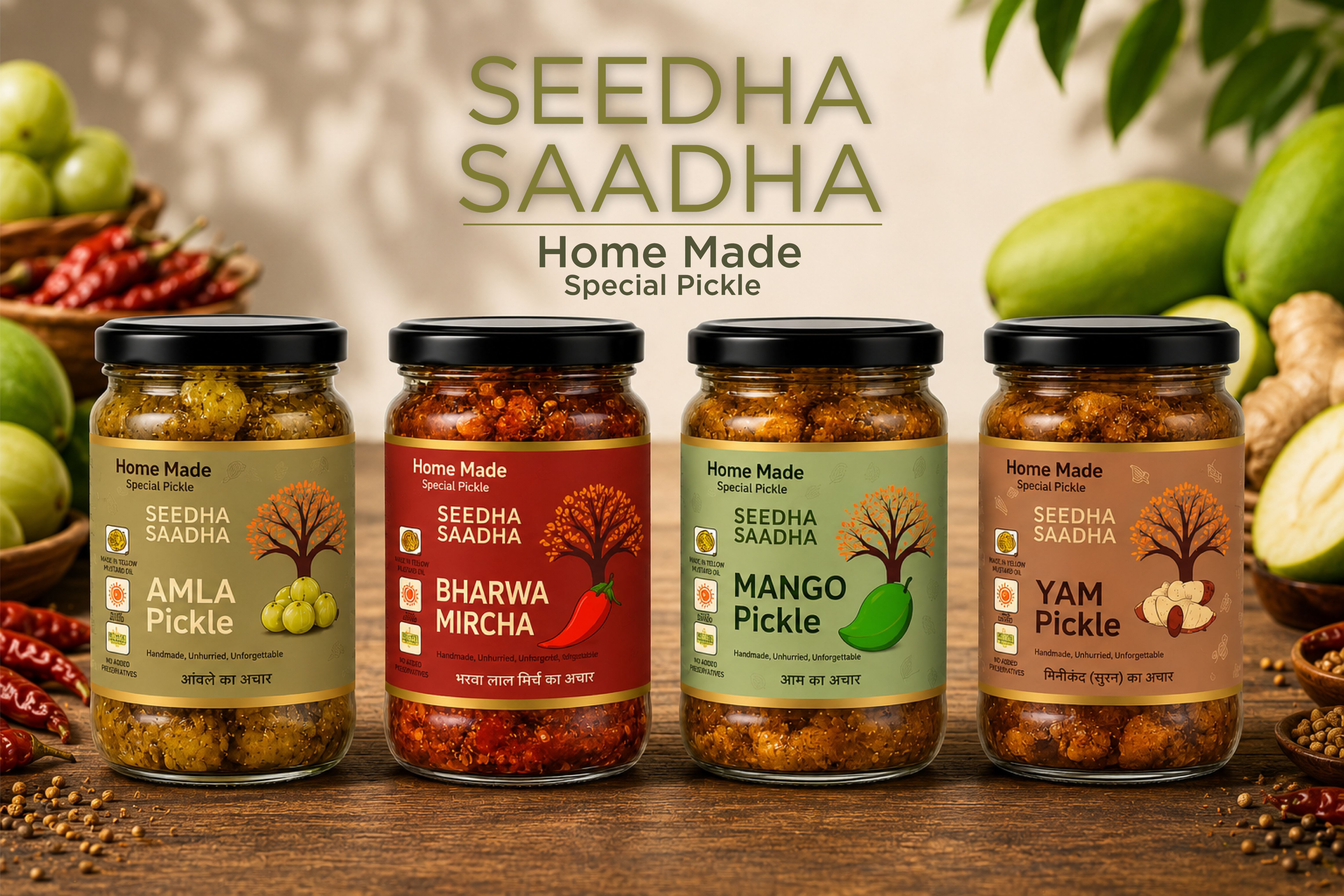
- Design the range, not the single pack. A consistent family creates a larger, more findable block on shelf.
- Use finish deliberately. Foil, matte lamination, soft-touch and emboss communicate price faster than any claim.
- Check the pack at distance by printing it and standing back, not by zooming out on a monitor.
Survive the thumbnail
The same pack now has to work as a small square image in a marketplace grid, usually on a phone. Everything that made it feel luxurious in the hand is invisible here, and the constraints invert.
- 01Shrink the front panel to around 200 pixels wide. If you cannot tell what it is and who makes it, neither can a shopper.
- 02Protect the brand and the variant above all else. Sub-copy and delicate flourishes will not survive compression.
- 03Design for the marketplace main image rules, which usually demand the product isolated on pure white with no added text.
- 04Plan the secondary gallery images as part of the packaging project. That is where finish, scale and lifestyle context live.
If your packaging only works at full size in good light, it only works in half the places people actually buy.
Get the production details right
This is where otherwise good packaging projects fail, usually expensively and at the last minute.
- Set up artwork in CMYK, with any special colours specified as spot colours by their reference.
- Include bleed on every edge that will be trimmed, typically 3mm, and keep critical content inside the safe area.
- Convert type to outlines or supply the fonts, and confirm which the printer wants.
- Place the barcode at the size and contrast the printer specifies, and have it verified.
- Check the regulatory content for your category and market: ingredients, weight, allergens, origin, recycling marks.
- Ask for a physical proof on the actual stock. Screens lie about colour, and paper changes everything.
What packaging design costs
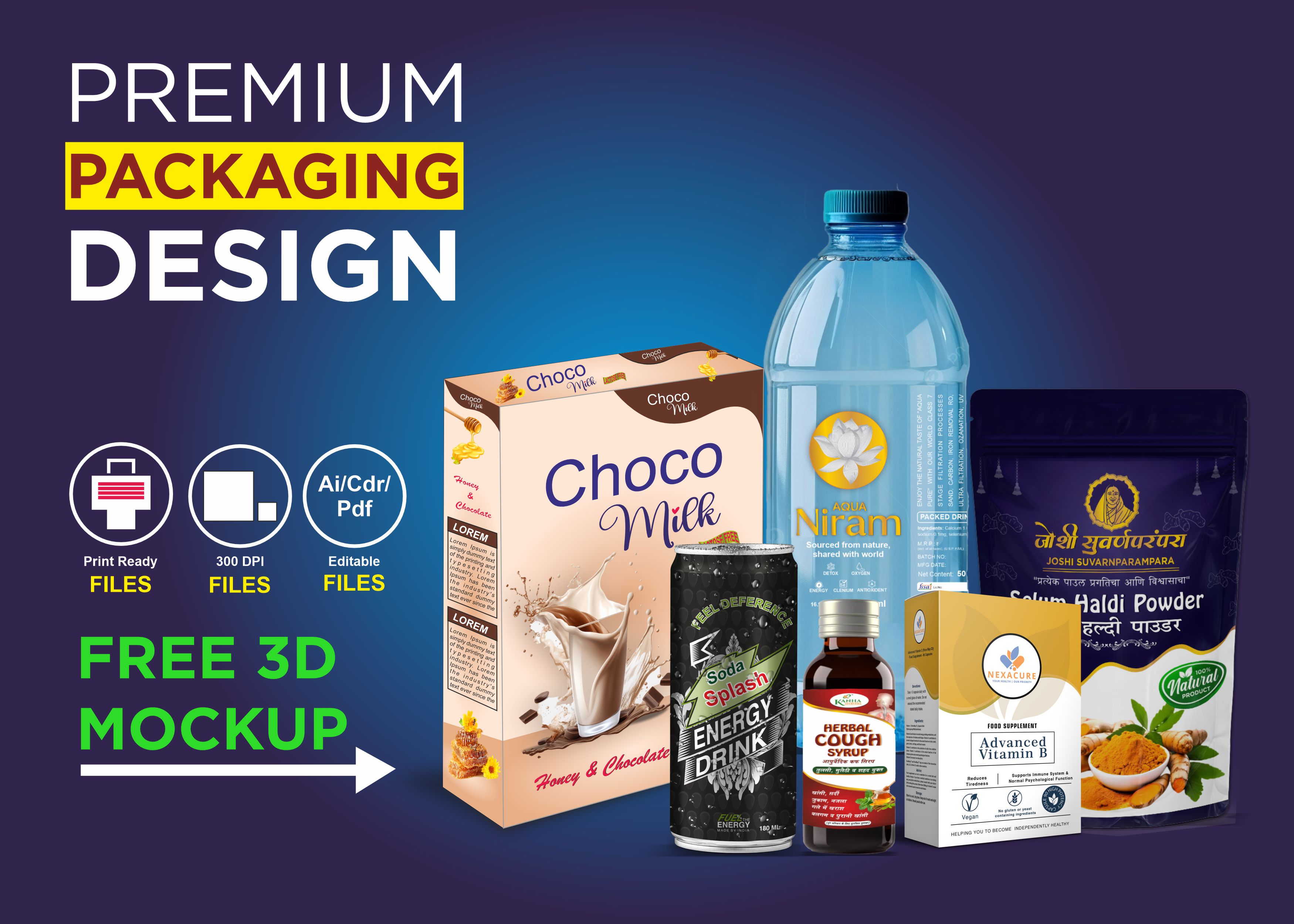
A single pack for a straightforward product is a smaller job than a range system that has to scale across a dozen variants, and the price should reflect that rather than being quoted per box.
Our packaging design starts at $900 for a single pack, and range systems are quoted on the number of SKUs and how much of the visual system already exists. What tends to matter more than the number is whether the design is built as a system from the start. Ranges designed one SKU at a time cost more in the long run, because each new product becomes its own project instead of slotting into a pattern that already works.
A checklist before you print
- 01The dieline came from the printer and has not changed since artwork began.
- 02The front panel passes both the distance test and the 200 pixel test.
- 03The range sits together and reads as one family with clear variant distinction.
- 04Bleed, safe area, colour mode and barcode are all confirmed.
- 05Every regulatory element is present and legible at real size.
- 06A physical proof on the real stock has been signed off.
Packaging rewards the work done before anyone opens a design file. Structure first, hierarchy second, and the look last, tested in both of the places it will actually be seen.